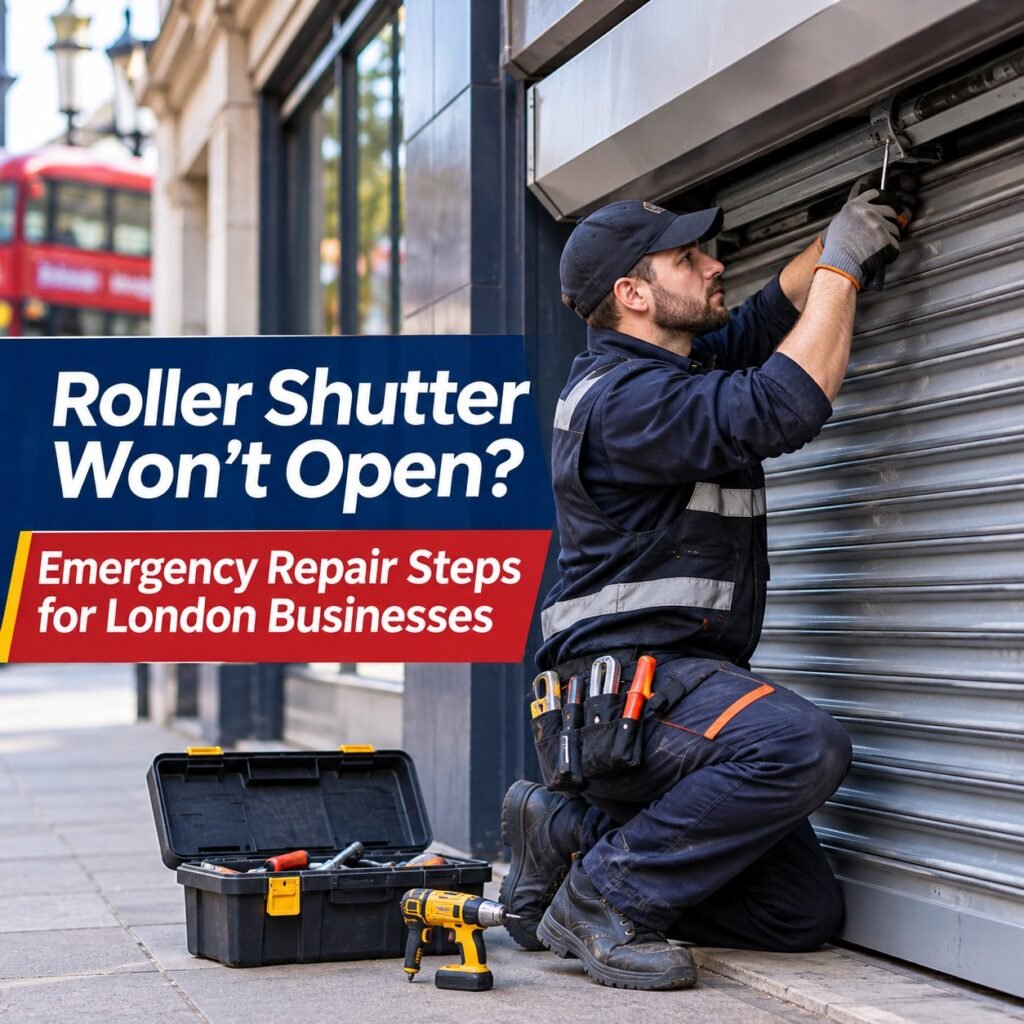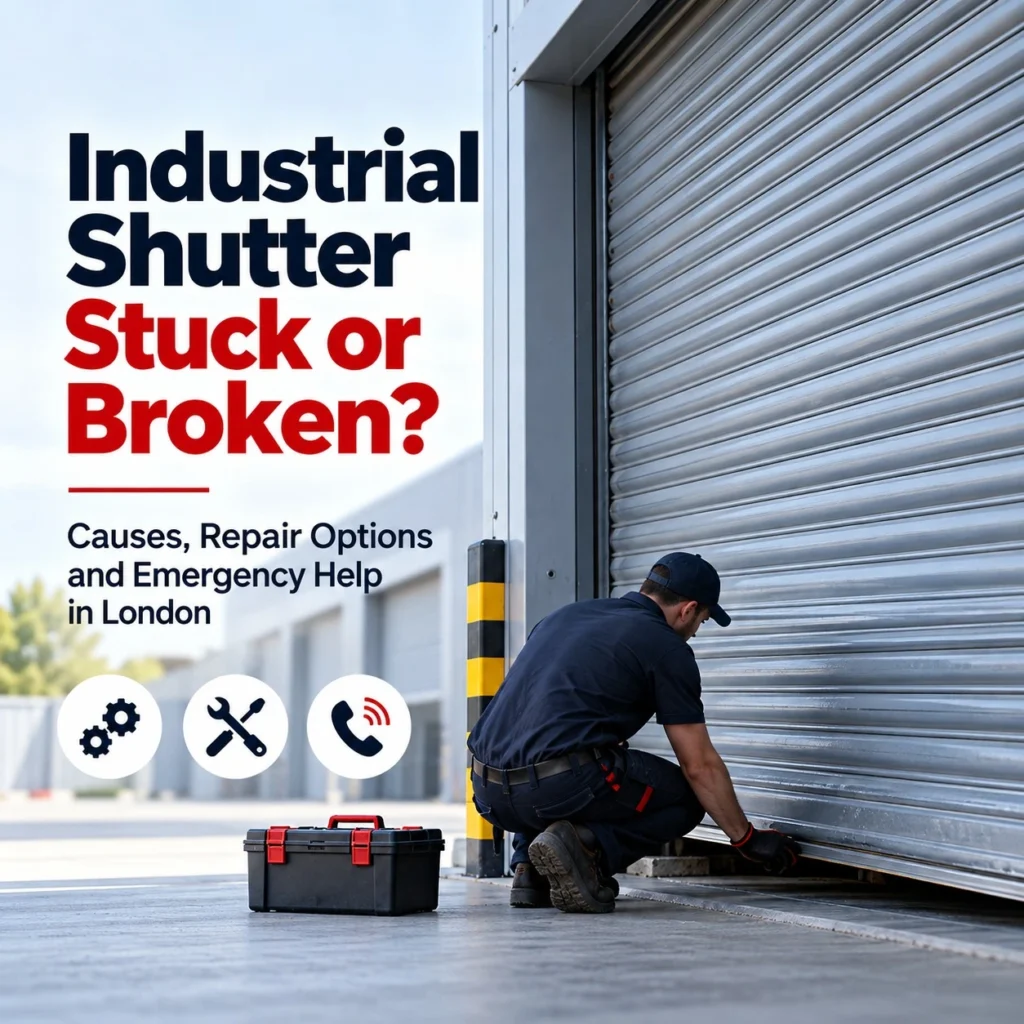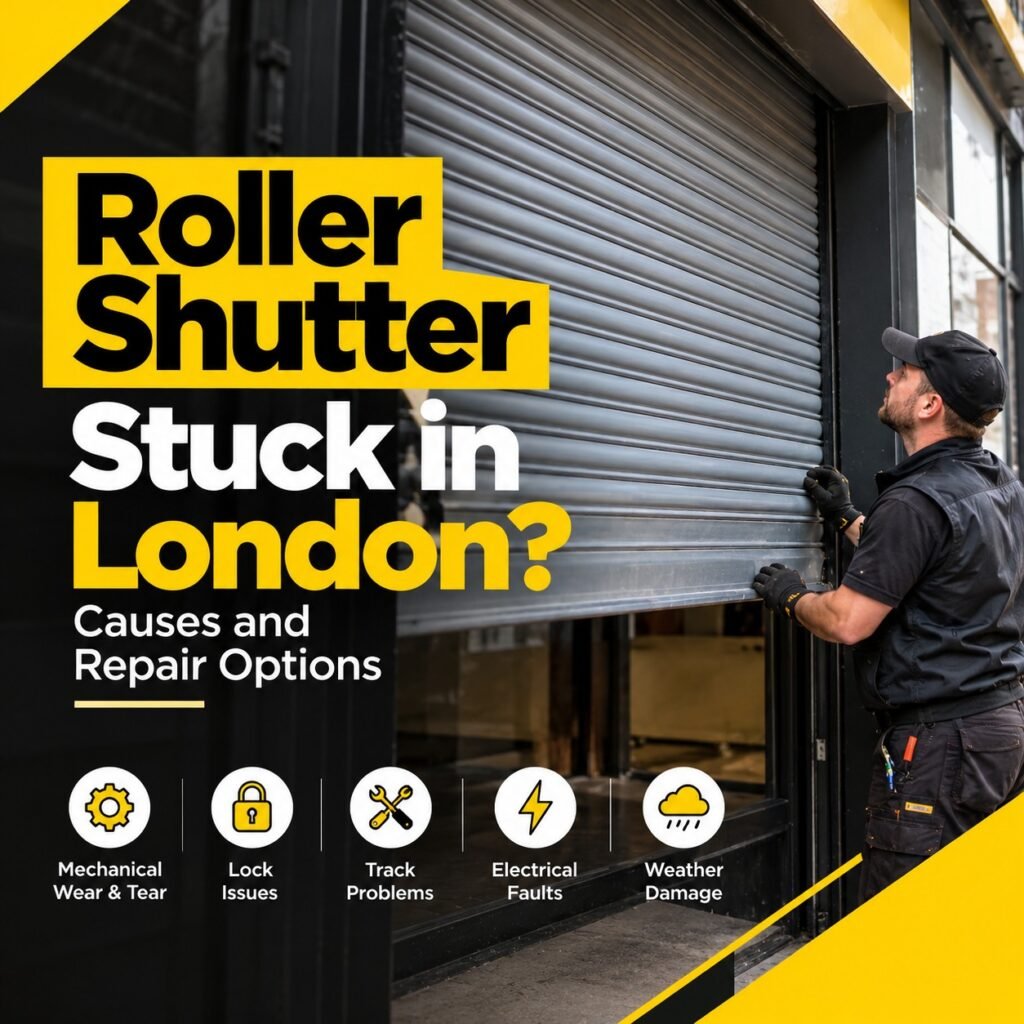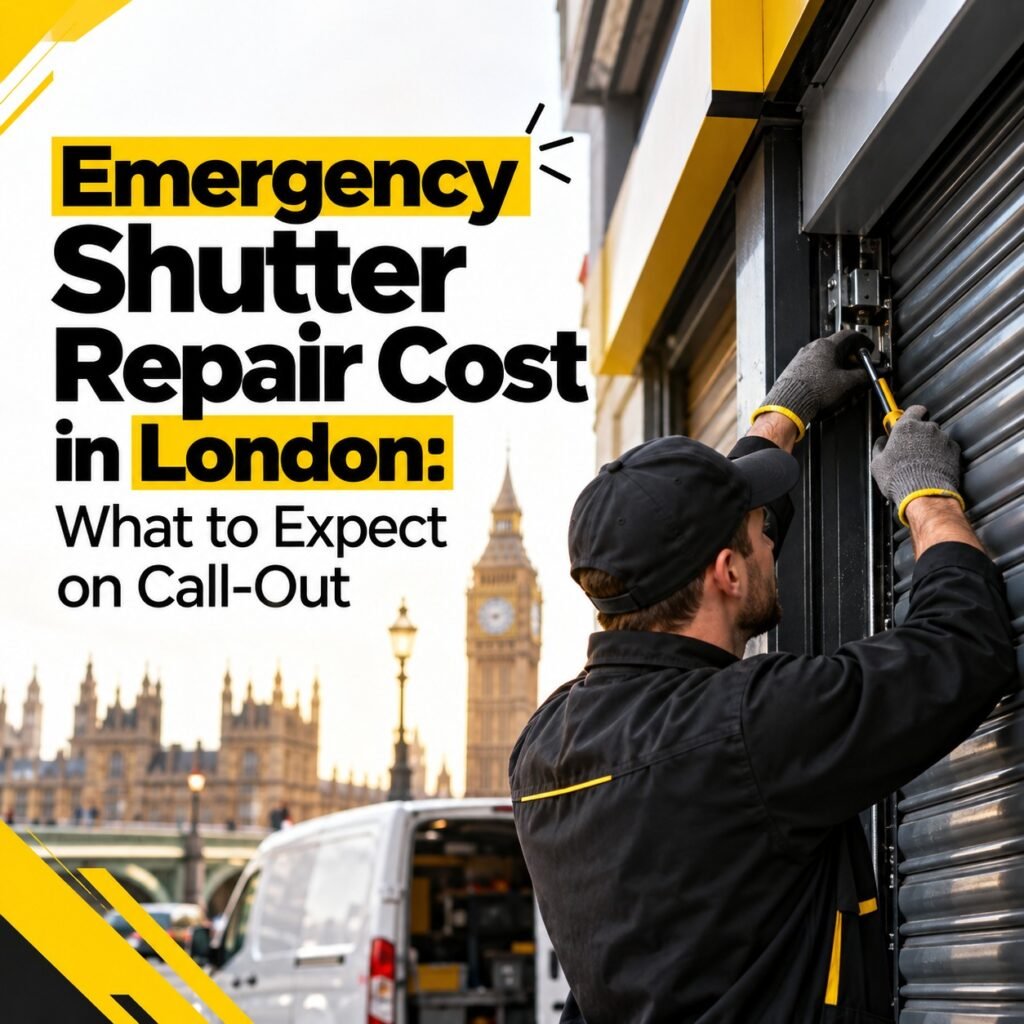
A faulty roller shutter can quickly become a serious concern for a London business. A shop that cannot close properly may be left exposed overnight, while a warehouse shutter stuck halfway can affect deliveries, staff access, and daily operations. The important thing is knowing when a fault needs attention rather than attempting to fix it yourself. Professional emergency shutter repair may be necessary when a shutter creates a safety risk, leaves premises unsecured, or prevents essential access. Shutter Repairs26 understands the importance of keeping commercial shutters safe and functional. Recognising the warning signs early can help business owners take sensible action and avoid making the problem worse.
Which Roller Shutter Problems Need Immediate Attention?
A roller shutter needs urgent professional attention when it is unstable, badly damaged, stuck in a position that affects security or shows signs of a potentially dangerous mechanical or electrical fault.
For example, a shutter that will not close can leave a shopfront or warehouse vulnerable. A curtain that has come away from its tracks may move unpredictably, while a motor producing unusual noises could indicate a developing fault. Electrical problems also need careful handling because attempting an unqualified repair can create additional risks.
Not every operational issue is an emergency. However, if a shutter cannot be used safely, cannot secure the premises or creates a hazard for people nearby, stop operating it and arrange a professional assessment.
Common Roller Shutter Problems That Should Never Be Ignored
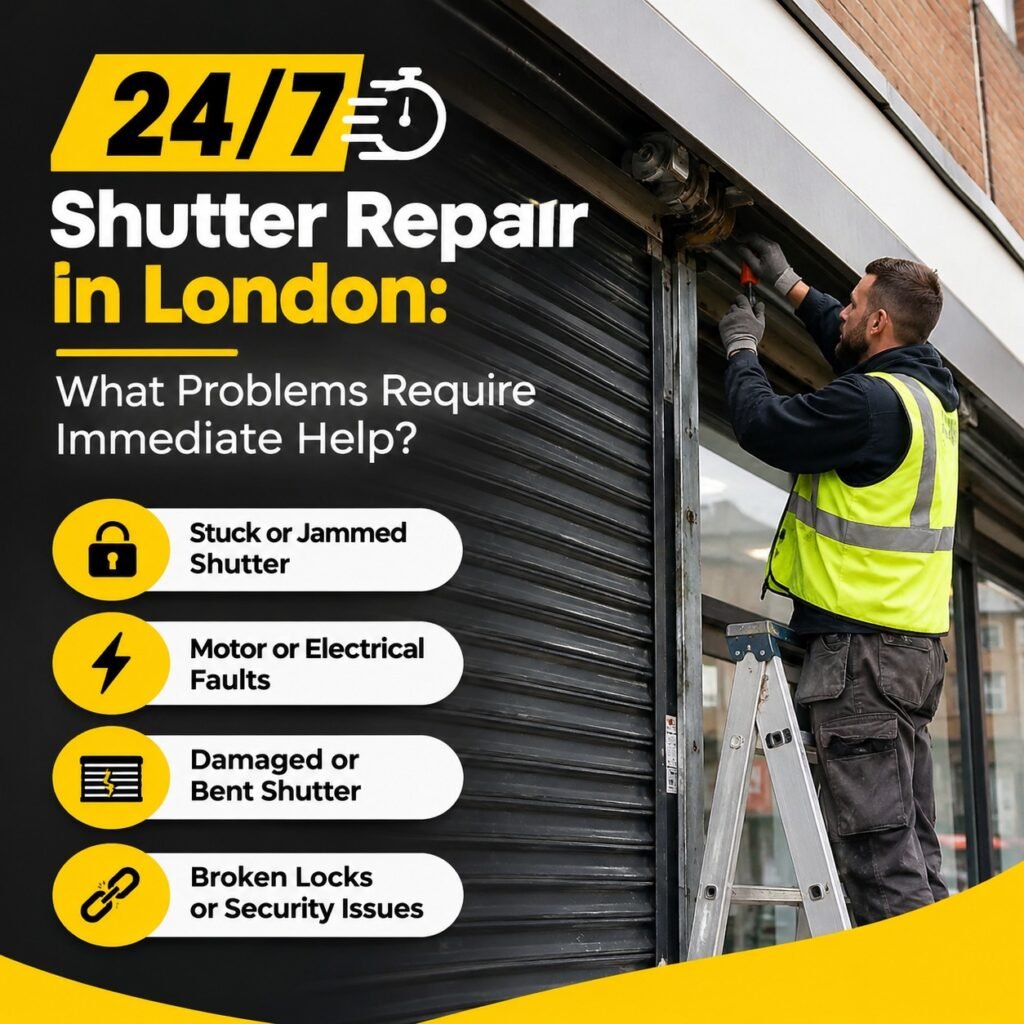
Roller shutters contain several moving and electrical components. A fault in one part can affect the operation of the entire system. The following problems deserve particular attention.
1. Shutter Stuck Halfway Open or Closed
A shutter that stops midway can create both access and security difficulties. If it remains partly open, unauthorised people may be able to enter the premises. If it remains closed, staff may struggle to access equipment, stock or working areas.
Avoid repeatedly pressing the controls to make it move. If the shutter is jammed, continued operation could put extra strain on the motor or other components. Keep people away from the area until the cause has been checked.
2. Motor Failure or Unusual Motor Noises
The motor helps raise and lower a powered roller shutter. If it begins making grinding, humming or clicking sounds, the issue should not be ignored. These noises can have several possible causes, including mechanical resistance, worn components or an electrical problem.
A motor that runs without moving the shutter also needs inspection. Do not keep activating it in the hope that it will start working normally.
3. Damaged or Misaligned Tracks
Tracks guide the shutter curtain as it moves. If they become bent, obstructed or misaligned, the shutter may move unevenly, scrape against the sides or become stuck.
Operating a shutter with damaged tracks can worsen the alignment problem and may affect the stability of the curtain. A competent technician should inspect the affected parts before the shutter is used again.
4. Broken or Bent Shutter Slats
Individual slats can become bent or damaged through impact, wear or other causes. A damaged section may prevent the curtain from rolling smoothly and can affect how securely the shutter closes.
Do not attempt to straighten heavy or connected shutter sections yourself. The extent of the damage and the condition of the surrounding components should be assessed professionally.
5. Electrical or Control System Faults
A shutter that does not respond to its control panel, wall switch or remote may have a control system or electrical fault. The cause cannot always be identified from the symptoms alone.
Avoid opening electrical enclosures, handling exposed wiring or bypassing safety devices. If there are signs of burning, smoke or overheating, keep people clear and seek appropriate professional assistance.
When Does a Roller Shutter Become a Security Risk?
A roller shutter becomes a security concern when it can no longer protect the entrance or opening it is designed to cover.
For a London retail business, a shutter that will not close at the end of trading hours can leave products, cash-handling areas and equipment exposed. A warehouse with a partially open loading bay shutter may face similar concerns, particularly when valuable stock is stored nearby.
Visible damage can also make a shutter less effective as a physical barrier. Bent slats, gaps, damaged locking components or a curtain that does not sit correctly may affect its ability to secure the premises.
Business owners should consider the following situations seriously:
- The shutter cannot close fully after business hours.
- The curtain has become detached or visibly unstable.
- A damaged section leaves an opening that cannot be secured.
- The locking mechanism no longer works as expected.
- The shutter moves unpredictably when operated.
If the premises cannot be secured, take reasonable steps to protect the area without putting staff or customers at risk. Do not rely on a damaged shutter as a secure barrier until it has been inspected.
Emergency Shutter Repair: What Should London Businesses Do First?
When a shutter develops a serious fault, the first priority should be safety. Taking a few sensible steps can help prevent further damage while you arrange assistance.
- Stop operating the shutter: If it is jammed, making unusual noises or moving unevenly, stop using the controls. Repeated attempts may worsen the fault.
- Keep people away: Create a safe distance around the affected shutter, particularly if the curtain is hanging unevenly or appears unstable.
- Do not force it open or closed: Forcing a stuck shutter can place additional pressure on the motor, tracks and curtain.
- Avoid electrical work: Do not open electrical panels, handle exposed wires or attempt to bypass safety mechanisms.
- Contact a competent repair professional: Explain what has happened and ask for an assessment of the fault.
- Provide useful details: Tell the repair provider whether the shutter is fully open, partly closed or completely stuck. Mention unusual sounds, visible damage or any recent impact.
When contacting providers offering emergency shutter repair services in london, describe the problem clearly. Photographs taken from a safe distance may also help explain visible damage, but do not approach an unstable shutter to take them.
Can You Continue Using a Faulty Roller Shutter?
Whether a shutter can remain in use depends on the type and seriousness of the fault. A minor cosmetic mark may not affect its operation, but a mechanical problem should not be dismissed simply because the shutter still moves.
Stop using the system if it:
- Moves unevenly or jerks suddenly.
- Makes new grinding, scraping or banging noises.
- Stops unexpectedly during operation.
- Has damaged tracks, loose sections or visibly bent slats.
- Shows signs of electrical overheating or burning.
- Appears unstable or creates a risk to people nearby.
Do not assume that a shutter is safe just because it completes one opening or closing cycle. Some faults may become more serious with repeated use. If there is uncertainty about its condition, arrange an inspection before operating it again.
Why Professional Shutter Repair Matters
A roller shutter fault can have more than one possible cause. For instance, a curtain that moves unevenly might have a track alignment problem, damaged slats or an issue elsewhere in the operating mechanism. Replacing one visible component without checking the system may not resolve the underlying fault.
Professional emergency shutter repair involves assessing the symptoms, identifying the likely cause and deciding what work is appropriate. Depending on the system, an inspection may include:
- The motor and operating mechanism.
- Tracks, guides and supporting components.
- Shutter slats and curtain alignment.
- Control switches and electrical connections.
- Locks and other security-related components.
- Safety features and normal operating functions.
After suitable repairs, the shutter should be checked to confirm that it operates correctly and that relevant safety features are functioning. The repair provider should also explain any remaining issues or maintenance recommendations.
Businesses comparing emergency shutter repair services in london should look for clear communication about the fault, proposed work and any limitations that may affect the repair.
How Can London Businesses Reduce Emergency Shutter Problems?
Although sudden faults cannot always be prevented, regular attention can help identify developing issues before they cause a major interruption.
Arrange periodic inspections. Have the shutter checked in line with the manufacturer’s guidance and the needs of the installation. A suitable inspection can help identify wear, damage or alignment concerns.
Keep the tracks clear. Dust, packaging and other debris around the guides can interfere with movement. Keep the surrounding area tidy and report any obstruction that cannot be safely removed.
Pay attention to unusual sounds. Grinding, scraping, rattling or repeated clicking may indicate that something has changed. Do not ignore new noises simply because the shutter still works.
Avoid forcing the system. If the shutter encounters resistance, do not push, pull or repeatedly activate it to overcome the problem.
Report damage early. Bent slats, loose fittings and changes in movement should be assessed before they develop into more serious faults.
Follow maintenance guidance. Use the maintenance instructions provided for the particular shutter system. Do not apply lubricants or make adjustments unless the manufacturer’s guidance permits it.
For businesses with several shutters, keeping a simple record of inspections, faults and completed repairs can also help identify recurring problems.
Choosing the Right Shutter Repair Support in London
When a shutter fails, it can be tempting to contact the first available provider. However, choosing suitable repair support is important, particularly when the fault affects security or safe access.
Before arranging work, consider these points:
- Relevant experience: Ask whether the provider works with the type of commercial or industrial shutter installed at your premises.
- Clear fault assessment: A reliable professional should explain what has been identified and whether further inspection is needed.
- Transparent repair information: Ask what work is proposed and whether replacement components may be required.
- Safety procedures: Check that the provider follows appropriate procedures when inspecting and repairing moving or electrically operated equipment.
- Availability and terms: Confirm the actual availability, expected arrangements and any applicable service conditions rather than assuming that every provider offers round-the-clock attendance.
If you are considering emergency shutter repair services in london, compare providers based on their suitability for the fault, the clarity of their communication and the safety of their proposed approach.
Frequently Asked Questions
1. Which roller shutter problems require immediate repair?
A shutter that is stuck in an unsafe position, cannot secure the premises, has become detached from its tracks or shows signs of a serious electrical or mechanical fault should be assessed promptly. Stop operating it if it may endanger people or cause further damage.
2. Is it safe to operate a roller shutter that is stuck halfway?
Not necessarily. A partly open shutter may be jammed, misaligned or affected by a component failure. Avoid repeated operation or manual forcing. Keep people clear and arrange a professional inspection.
3. What should I do if my shop shutter will not close?
Stop trying to force it down. Keep the area clear, assess the premises’ security from a safe position and contact a suitable repair professional. If the building cannot be secured, consider appropriate temporary security arrangements that do not create additional hazards.
4. Can a faulty roller shutter create a security risk for my business?
Yes. A shutter that cannot close fully, has damaged slats or has a faulty locking mechanism may leave a business more exposed. This can be particularly concerning for shops, warehouses and commercial premises holding valuable stock or equipment.
5. How can regular maintenance help prevent sudden shutter failures?
Routine inspections can help identify wear, damaged components, track obstructions and unusual operating behaviour. Following manufacturer guidance and arranging repairs when early warning signs appear may reduce the likelihood of unexpected disruption.
Conclusion
A roller shutter that becomes stuck, unstable, damaged or unable to secure a business entrance should never be treated as a minor inconvenience. For London businesses, recognising the warning signs and taking safe action can help protect staff, customers, stock and property.
Avoid forcing a faulty shutter or attempting repairs beyond your competence. A professional assessment can help identify the cause and determine the appropriate solution. Shutter Repairs26 encourages businesses to take unusual shutter behaviour seriously and arrange suitable support when problems arise. If your premises are affected, seek emergency shutter repair before the fault creates a greater safety, security or operational concern.