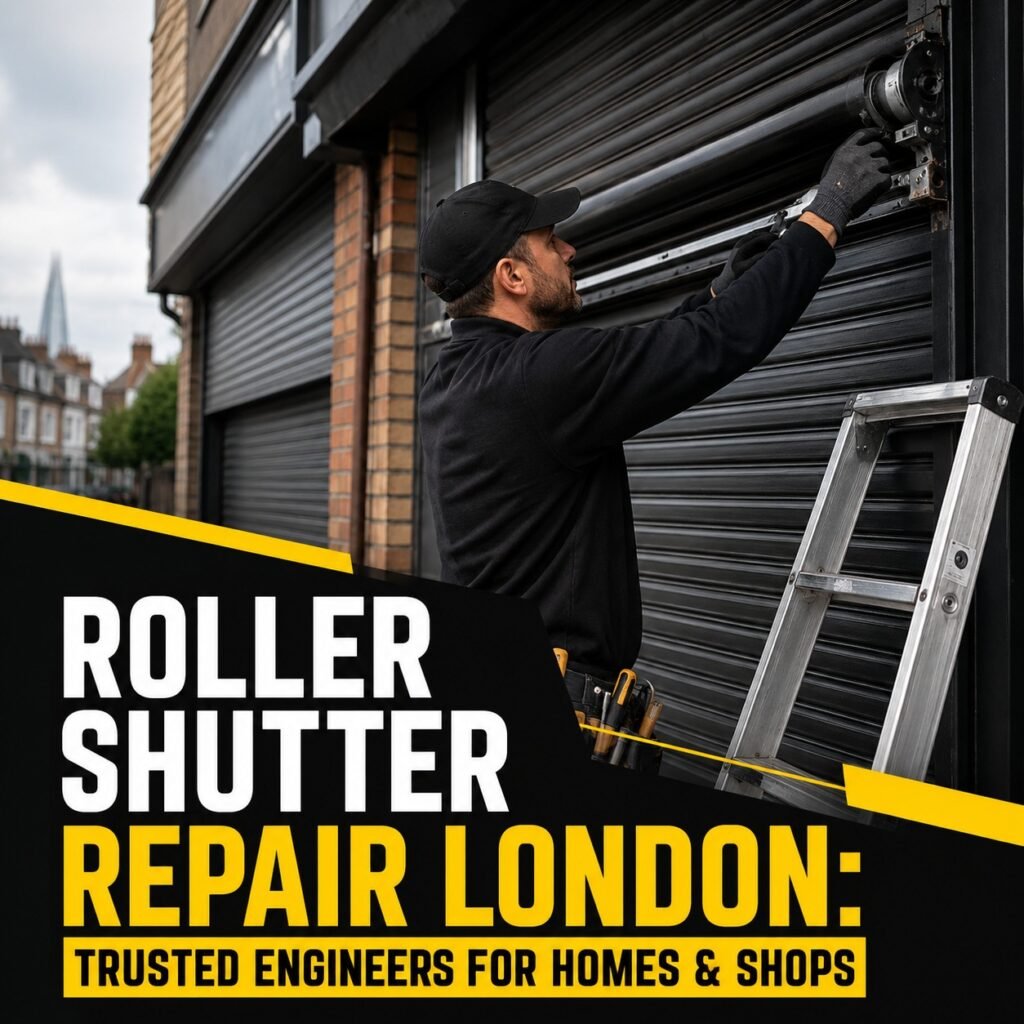

A roller shutter that refuses to open before business hours or gets stuck while closing can quickly become a problem. For shop owners, warehouse managers and commercial property operators, it can disrupt daily operations and leave premises difficult to secure. Knowing when to stop operating the shutter and arrange roller shutter repair in london can help prevent further damage and reduce unnecessary downtime.
Roller shutters can become stuck for several reasons, including debris in the tracks, damaged slats, worn mechanical components or electrical faults. The right solution depends on the type of shutter, the condition of its parts and the cause of the problem. This guide explains common faults, safe steps to take when a shutter stops working, available repair options and ways to prevent similar issues.
Why Do Roller Shutters Get Stuck?
A roller shutter relies on several components working together. If one part becomes damaged, obstructed or worn, the entire system may stop moving correctly.
1. Dirt and Debris in the Guide Rails
Dust, leaves and other debris can accumulate inside the guide rails. When the shutter moves, this material may obstruct the slats and cause uneven movement or a complete jam.
Visible debris around the tracks can sometimes be identified without dismantling anything. However, if the shutter remains stuck, avoid forcing it through the obstruction.
2. Damaged Slats or Misaligned Tracks
Roller shutter slats can bend after an impact or through repeated use. Tracks may also become misaligned, preventing the curtain from travelling smoothly.
A shutter that moves unevenly, rubs against the frame or stops at the same point repeatedly may have a mechanical alignment problem. A technician can inspect the affected parts and determine whether adjustment or component replacement is required.
3. Electric Motor or Power Supply Problems
Electric roller shutters depend on a functioning motor, suitable electrical connections and working controls. A failed motor, faulty switch, damaged wiring or interrupted power supply can prevent the shutter from opening or closing.
If the shutter makes a humming noise but does not move, stop operating it. Repeated attempts may worsen the fault or cause additional damage. Electrical components should be inspected by a suitably qualified professional.
4. Worn Springs, Cables or Internal Components
Manual and electric shutters may contain springs, cables, bearings and other mechanical components that experience wear over time. A failed component can affect the balance and movement of the shutter.
These parts can store significant mechanical energy. Do not attempt to dismantle or adjust spring-loaded assemblies yourself.
5. Poor Maintenance and General Wear
Without suitable inspections, minor problems can go unnoticed until the shutter becomes difficult to operate. Regular use, environmental exposure and accidental impacts may contribute to deterioration.
Arranging roller shutter door maintenance in london can help identify visible wear, track problems and unusual operating behaviour before they develop into more serious faults.
Warning Signs Your Roller Shutter Needs Repair
A roller shutter does not always stop working without warning. Recognising early symptoms can help property owners arrange an inspection before the problem becomes more disruptive.
Look out for these signs:
- Grinding, scraping or unusual motor noises.
- Slow, jerky or uneven movement.
- Slats catching against the guide rails.
- The shutter stopping halfway through its cycle.
- A motor that runs without moving the shutter.
- Difficulty locking or fully closing the shutter.
- Repeated failure after temporary recovery.
These symptoms do not always indicate the same fault. For example, slow movement could be associated with a mechanical obstruction, worn components or a motor problem. A proper diagnosis is more reliable than replacing parts based on symptoms alone.
What Should You Do When a Roller Shutter Gets Stuck?
If your shutter stops moving, take a cautious approach. The aim is to protect people and property while avoiding further damage.
Stop operating the shutter. If it resists movement, makes unusual noises or becomes uneven, do not repeatedly press the controls or pull it by force.
Check for visible obstructions. From a safe position, look for debris around accessible guide rails. Do not reach into moving parts or remove covers.
Check the accessible power supply if safe. For an electric shutter, establish whether there is an obvious interruption to the power supply. Do not open electrical enclosures or handle exposed wiring.
Keep the area clear. Prevent staff, customers and vehicles from passing beneath a partially raised or unstable shutter. If the shutter creates an immediate danger, keep people away and arrange professional assistance.
Avoid makeshift repairs. Do not try to force the curtain upwards, release tensioned springs or dismantle the motor assembly. These actions can cause injury or further damage.
If the shutter cannot be moved safely, professional assessment is the sensible next step.
Roller Shutter Repair Options in London
The appropriate repair depends on the underlying fault rather than simply the fact that the shutter is stuck. When arranging roller shutter repair london, ask for the cause of the problem to be identified before agreeing to replacement parts.
Common repair options include:
Track Cleaning and Alignment
Where debris or misalignment is responsible, a technician may clean the guide rails, check clearances and correct the alignment. The shutter should then be tested to confirm that it travels smoothly.
Slat and Component Replacement
Bent slats, damaged end locks, worn bearings or other defective components may need adjustment or replacement. The technician should check whether the damage has affected neighbouring parts.
Motor and Control Repairs
Electric shutters may require motor diagnosis, switch replacement, control troubleshooting or repairs to suitable electrical components. The exact work depends on the system design and the fault identified.
Mechanical Repairs
Damaged springs, cables and other internal mechanisms require appropriate tools and professional handling. If a component has failed, the technician can assess whether it can be repaired safely or should be replaced.
Repair Versus Replacement Assessment
If the shutter is badly damaged or has recurring faults, replacing some components or the complete unit may be more practical. A professional assessment helps establish the available options.
For roller shutter repair in london, property owners should seek a clear explanation of the fault, the proposed work and any replacement parts required. This makes it easier to compare options and make an informed decision.
When Should You Call a Professional Roller Shutter Technician?
Professional assistance is recommended if the shutter remains jammed after a basic visual check, hangs unevenly, repeatedly stops during operation or makes unusual noises. It is particularly important when a shutter cannot close securely or presents a risk to people nearby.
A technician can inspect the guide rails, curtain, operating mechanism, motor and controls as appropriate. They can also check whether the original fault has caused secondary damage and test the shutter after the repair.
For London businesses, a malfunctioning shutter can affect access, security and trading hours. Shutter Repairs26 provides a relevant point of contact for property owners seeking assistance with shutter faults and repair options.
When requesting help, describe whether the shutter is manual or electric, what happens when you operate it, and whether you have noticed unusual sounds or visible damage. This information can help the service provider understand the issue before an inspection.
How Regular Maintenance Helps Prevent Stuck Roller Shutters
Preventive care can help identify developing problems before they lead to an unexpected breakdown. The maintenance required depends on the shutter’s design, usage, environment and manufacturer’s recommendations.
Useful measures include:
- Keeping accessible areas around the guide rails free from obstructions.
- Looking for bent slats, loose visible fixings or signs of damage.
- Paying attention to changes in operating speed and noise.
- Arranging professional inspections when wear or recurring faults appear.
- Following the manufacturer’s instructions for cleaning and servicing.
- Keeping a record of repeated faults and previous repairs.
Suitable roller shutter door maintenance in london is especially worth considering for frequently operated shopfronts, warehouses and commercial premises. The inspection schedule should reflect how often the shutter is used and the conditions in which it operates.
Avoid applying lubricants indiscriminately, as some components may require specific products or should not be lubricated at all. Follow the manufacturer’s guidance or ask a technician for advice.
Repair or Replace a Stuck Roller Shutter?
Repair is often worth considering when the fault is limited to a replaceable component and the rest of the shutter remains in sound condition. Examples may include a damaged slat, a faulty switch or a correctable track alignment issue.
Replacement may be more suitable when the shutter has extensive damage, repeated failures, serious corrosion or components that are no longer reasonably available. Security requirements and the cost of repeated repairs may also influence the decision.
Before choosing either option, consider:
- The nature and extent of the damage.
- The age and overall condition of the shutter.
- The availability and cost of replacement parts.
- The frequency of previous breakdowns.
- The security and operational requirements of the premises.
A repair assessment should explain the practical options without assuming that every stuck shutter needs a complete replacement.
Frequently Asked Questions
1. Why has my roller shutter suddenly stopped working?
Common causes include a blocked track, damaged slats, a failed motor, a power supply issue or a worn mechanical component. Stop operating the shutter if it resists movement and arrange an inspection if the cause is not obvious.
2. Can I manually open a stuck electric roller shutter?
Not necessarily. Some systems have a manufacturer-approved manual override, but others do not. Never force the shutter or attempt to release tensioned components. Consult the operating instructions or a qualified technician before attempting to move it manually.
3. How much does roller shutter repair in London cost?
The cost depends on the fault, shutter type, access conditions, labour required and whether replacement parts are needed. Request an assessment and an itemised quotation where possible before authorising the work.
4. How long does it take to repair a stuck roller shutter?
The time required depends on the cause of the fault and the availability of suitable parts. A straightforward adjustment may take less time than motor replacement or extensive mechanical repairs. An inspection can provide a more realistic estimate.
5. How can I prevent my roller shutter from getting stuck again?
Keep accessible tracks clear, watch for unusual noises and uneven movement, follow the manufacturer’s care instructions and arrange professional servicing when required. Addressing early warning signs can help prevent minor issues from becoming larger faults.
Conclusion
A stuck roller shutter can result from anything from a simple obstruction to a more serious motor or mechanical failure. Identifying the underlying cause is essential for choosing the right repair and avoiding unnecessary damage.
If your shutter is jammed, moving unevenly or failing to secure your premises, stop using it and seek professional advice. Regular inspections, appropriate servicing and prompt attention to warning signs can also help reduce avoidable disruption and keep your shutter operating as intended.
For London property owners and businesses, roller shutter repair london services can help assess the fault and establish the most suitable next steps. Choose a repair solution based on the shutter’s condition, safety requirements and long-term needs.